
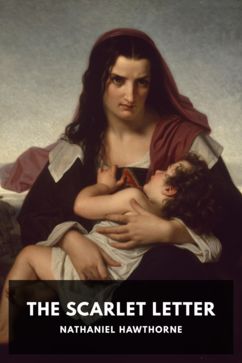
The Scarlet Letter - Nathaniel Hawthorne
Let's set the scene: Puritan Boston in the 1600s. It's a strict, judgmental place. Hester Prynne gives birth to a daughter, Pearl, but her husband has been missing for years. The town brands her an adulteress and sentences her to a life of public shame, symbolized by that infamous scarlet letter 'A' embroidered on her dress. She refuses to name the baby's father, bearing the burden alone. That father is Reverend Arthur Dimmesdale, a young, beloved minister who is too afraid of ruin to confess. Watching from the shadows is Hester's long-lost husband, who arrives in town and, calling himself Roger Chillingworth, makes it his secret mission to find and psychologically torment the man who wronged him.
The Story
The plot follows Hester as she builds a lonely life on the outskirts of town, raising her spirited daughter. Meanwhile, Dimmesdale's hidden guilt eats him alive, making him physically and mentally ill. Chillingworth, posing as his doctor, subtly tightens the screws, suspecting the truth. Over seven years, these three lives become dangerously tangled. Hester grows stronger in her isolation, while Dimmesdale weakens under the weight of his hypocrisy. The story builds toward a powerful, public climax where secrets can't stay buried forever, and the true meaning of that scarlet letter changes for everyone who sees it.
Why You Should Read It
Forget the dusty 'classic' label. This book is a raw, psychological deep-dive. Hawthorne isn't just judging Hester; he's judging the judges. The most fascinating character isn't Hester (though she's incredibly strong), but Dimmesdale. His private agony is some of the best writing about guilt I've ever read. The book asks: which is worse, Hester's public shame or Dimmesdale's private hell? It shows how obsession and revenge can destroy a person, as seen in Chillingworth. It’s also about how a symbol meant to shame someone can, over time, become a badge of her own resilience and identity.
Final Verdict
This is a must-read if you love character-driven stories where the biggest battles are moral and internal. It's perfect for readers who enjoy historical fiction with a dark, Gothic mood, or anyone interested in timeless questions about sin, society, and redemption. The language is older, so it requires a bit of focus, but the emotional payoff is huge. If you've ever felt judged or carried a secret guilt, parts of this story will feel painfully, powerfully familiar.
Legal analysis indicates this work is in the public domain. Access is open to everyone around the world.
Sandra Lewis
1 year agoCitation worthy content.
Ashley Thomas
1 year agoI didn't expect much, but the atmosphere created is totally immersive. I would gladly recommend this title.
Oliver Brown
1 year agoAmazing book.
Carol Lopez
6 months agoHelped me clear up some confusion on the topic.




James Thompson
2 months agoAfter finishing this book, the storytelling feels authentic and emotionally grounded. Don't hesitate to start reading.