
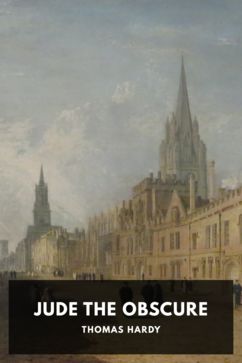
Jude the Obscure - Thomas Hardy
Thomas Hardy's final novel is a heavyweight champion of literary sadness, but in the best possible way. Published in 1895, it caused such an uproar with its bleak honesty that Hardy basically swore off novels for good. It’s that intense.
The Story
We follow Jude Fawley from his hopeful childhood in a small village to his hard, disappointing adulthood. He’s smart and wants nothing more than to become a scholar at Christminster (a fictional stand-in for Oxford). But life keeps getting in the way. First, he’s tricked into marrying the manipulative Arabella. Later, he meets and falls for his cousin, Sue Bridehead. Sue is unlike any Victorian heroine—she’s intellectual, skeptical of religion and marriage, and fiercely independent. Together, they try to create a life outside society’s rules, but the pressure from a world that sees them as living in sin is crushing. Their struggle for happiness is a slow-motion train wreck you can’t look away from, filled with poverty, tragic loss, and the relentless weight of public opinion.
Why You Should Read It
This book wrecked me. It’s not just a story about failed dreams; it’s about the system itself. Hardy looks at education, class, marriage, and religion and asks, 'Who does this really work for?' Jude and Sue aren't perfect—they make huge mistakes—but you root for them because their desire for something real feels so human. Hardy’s prose is stunning. He describes the English countryside with such love, which makes the human misery happening within it even sharper. Reading it feels like watching someone you care about get beaten down again and again, but you understand exactly why they keep trying to stand up.
Final Verdict
This is for readers who don’t need a tidy, happy ending. Perfect for anyone who loves complex, flawed characters and stories that tackle big questions about society and personal freedom. If you enjoyed the emotional brutality of novels like Wuthering Heights or the social critique of authors like George Eliot, you’ll find a lot to sit with here. Just maybe don’t read it when you’re already feeling down—it’s a beautiful, brilliant bummer of a book.
There are no legal restrictions on this material. It is now common property for all to enjoy.
Thomas Taylor
2 years agoSimply put, the flow of the text seems very fluid. Definitely a 5-star read.