
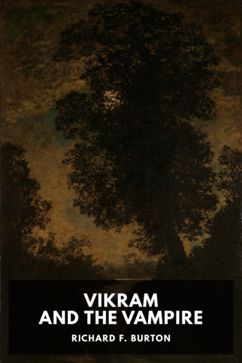
Vikram and the Vampire - Richard F. Burton
If you're imagining a Gothic horror story with fangs and capes, you're in for a surprise. This book is something else entirely.
The Story
King Vikramaditya is strong, just, and famously clever. A powerful yogi needs a favor, but it's a strange one: he wants Vikram to go to a cremation ground at night, find a specific corpse hanging from a tree, and bring it back. This isn't just any corpse—it's possessed by a vetala, a sharp-witted, storytelling spirit. Vikram succeeds in capturing it, but as he begins the trek back, the vampire starts talking. He tells a fascinating, often funny, sometimes tragic tale about kings, thieves, lovers, and fools. At the end of each story, he poses a tricky moral riddle. Vikram, being wise, knows the answer. But here's the catch: if he speaks, the vampire gets free and zips back to its tree. If he stays silent, he dies. So, Vikram answers, the vampire escapes, and the whole exhausting chase begins again. The book is this cycle of capture, story, riddle, and escape, repeated twenty-four times.
Why You Should Read It
This isn't a novel; it's a story-framed collection of ancient Indian folklore, translated and adapted by Sir Richard Burton. Yes, that Burton—the explorer who translated the Arabian Nights. His voice is a huge part of the charm. You get these wild, vivid tales of magic and human folly, but filtered through the notes and asides of a Victorian adventurer who is clearly having a blast. The vampire isn't scary; he's sarcastic and world-weary. The real joy is in the stories themselves—they're like perfect little fables about greed, loyalty, and cleverness. You're not reading for plot twists about Vikram; you're reading to hear the next incredible story the vampire has up his sleeve.
Final Verdict
Perfect for readers who love mythology, folklore, or classic adventure with a brainy twist. If you enjoyed the puzzle-box structure of The Arabian Nights or the witty dialogue in The Devil's Dictionary, you'll feel right at home. It's also a great pick for anyone curious about how stories travel and change. This is a window into Indian tradition, seen through a very unique 19th-century lens. Just don't expect a linear vampire thriller. Expect a clever, chatty, and utterly unique journey into a world of stories within stories.
Legal analysis indicates this work is in the public domain. You do not need permission to reproduce this work.
Carol Moore
1 year agoFive stars!








Jessica Wilson
11 months agoWithout a doubt, the author's voice is distinct and makes complex topics easy to digest. I couldn't put it down.